The prevailing expectation of Federal Reserve interest rate cuts is facing increasing pressure due to escalating geopolitical tensions in the Middle East. Regional disruptions are driving up oil prices, fueling concerns about persistent inflation. A growing number of analysts suggest the Fed's next move might be a rate hike, contrary to market expectations and White House desires. This analysis explores the economic ramifications of the conflict, its impact on monetary policy decisions, and the shifting outlook for the Federal Reserve's strategy.
This article delves into the escalating concerns that geopolitical conflicts in the Persian Gulf and subsequent energy price shocks could jeopardize the anticipated economic growth fueled by Artificial Intelligence. It explores how energy disruptions might stifle productivity, curtail investments in new technologies like AI, and potentially lead to a stagflationary scenario akin to the 1970s, thereby casting a shadow over substantial investments in data centers and technological innovation.

US index analysis: the Dow Jones Industrial Average faced a sharp decline, falling over 768 points amid a confluence of economic factors and market sentiment.

Trending gold stock analysis: Today, the stock of AngloGold Ashanti PLC experienced a notable decline, prompting questions about the underlying factors leading to this shift.
President Trump has presented his European and Asian allies with a difficult ultimatum regarding the Strait of Hormuz, a vital chokepoint for global oil transport. He demands their assistance in ensuring safe passage, threatening the future of the transatlantic alliance if they refuse. These nations grapple with the conflict between respecting international law and avoiding a potentially unlawful war with Iran, and the imperative of maintaining their security relationship with the US, especially amid rising Russian threats. The article proposes a middle ground: allies could pledge to secure tanker transit in the Gulf, but only if the US and Israel cease military actions. This approach would safeguard the interests of energy-importing nations while managing risks. It also considers the option of non-intervention, relying on Trump to force open the strait, a risky strategy given the US is a net oil exporter and could benefit from higher prices. The piece examines the potential security challenges of opening the strait and explores alternative solutions, suggesting that forming a coalition of oil-importing nations might offer a viable political exit for all parties involved.
Leading economists are sounding the alarm about the potential repercussions of soaring oil prices on the US economy, stemming from the conflict in Iran. Projections indicate a notable slowdown in economic growth and intensified inflationary pressures, creating a challenging scenario for the Federal Reserve's monetary policy decisions. The likelihood of delayed interest rate cuts is a prominent concern.
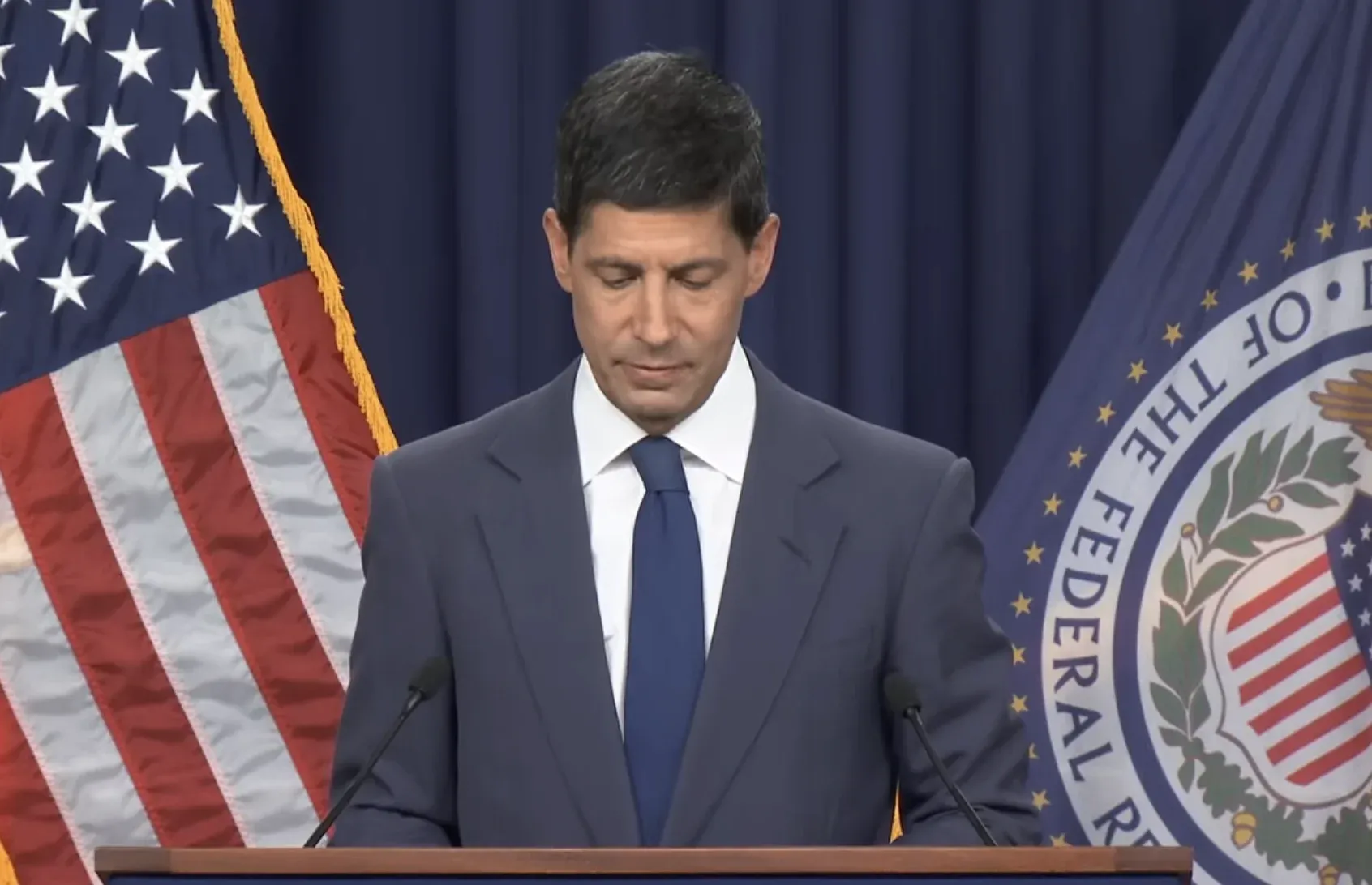
The Federal Reserve maintained its benchmark interest rate at the current level, with recent indicators showing robust economic expansion while inflation remains elevated. The median dot plot projection suggests a cumulative 25 basis point reduction by 2026. This decision, supported by an 11-1 vote, acknowledges ongoing economic uncertainties and the evolving impact of Middle East developments.

Social media stock analysis: In the ever-evolving landscape of social media and technology, Meta Platforms Inc. (formerly known as Facebook) remains a major player.
Ray Dalio argues that the outcome of the US-Iran conflict hinges on control of the Strait of Hormuz. If Iran maintains control or negotiation leverage, the US will be deemed a loser, impacting its credibility, allies' confidence, and global economic stability. This conflict, according to Dalio, is intertwined with broader historical cycles involving financial, political, and geopolitical factors.
Meta's latest round of layoffs suggests a strategic pivot towards becoming an 'AI-first' enterprise. While potentially addressing structural inefficiencies, these cuts may also signal the beginning of returns from substantial investments in AI infrastructure. Analysts believe this transformation, if successful, could grant Meta an insurmountable competitive advantage, potentially triggering a wave of strategic realignments across the industry.
Joe Kent, Deputy Director of the National Counterterrorism Center and a senior aide to the Director of National Intelligence, has resigned, citing profound disagreements with the Trump administration's approach to Iran. In a strongly worded resignation letter, Kent asserted that the impetus for war was primarily driven by Israeli pressure, not by any imminent threat posed by Iran to the United States. His departure underscores a significant rift within the 'America First' movement, with many privately echoing his concerns about the wisdom of engaging in a new conflict. Kent, a decorated veteran who lost his wife in combat, drew parallels between the current rhetoric and the lead-up to the Iraq War, warning against repeating past mistakes. His resignation serves as a stark critique of what he describes as a disinformation campaign designed to drag the U.S. into an unwarranted war.
Mark Zandi, Chief Economist at Moody's, states that the US economic outlook will continue to worsen as long as the Strait of Hormuz remains effectively closed to tanker traffic. Zandi believes a recession will become unavoidable if the situation does not change within weeks. Despite the US currently producing and consuming roughly equivalent amounts of oil and gas, a sudden surge in energy prices could severely impact consumers. Leading economic indicators were already showing signs of strain before the recent escalation of tensions, prompting investor caution and leading some analysts to raise their predictions of a market downturn.