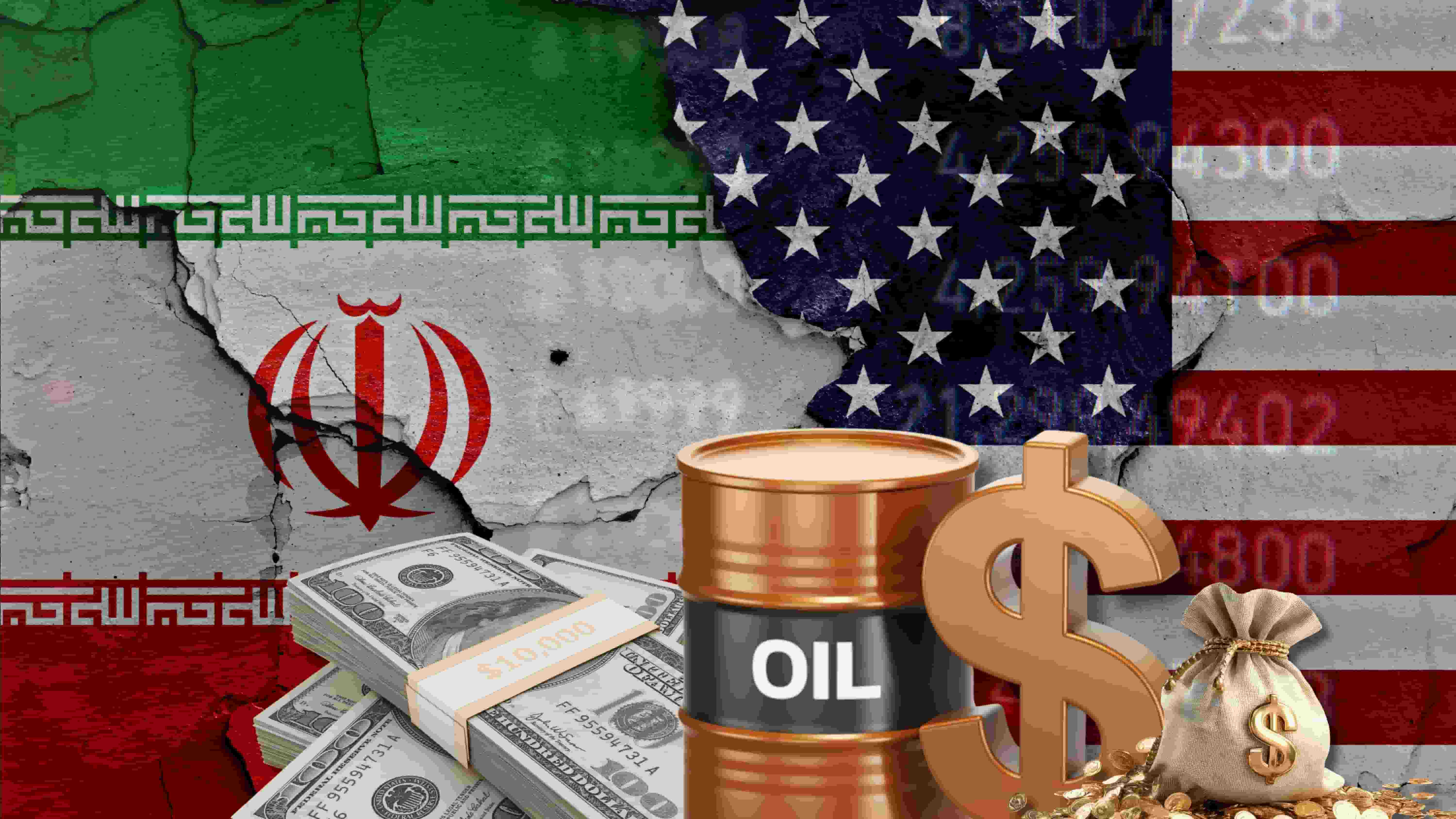
Amidst evolving Middle Eastern dynamics, recent movements on prediction markets like Polymarket indicate significant bets on an imminent ceasefire between the United States and Iran. This coincided with optimistic remarks from former US President Donald Trump, raising questions about potential insider trading. Notably, futures markets for S&P 500 and oil experienced abnormal trading volume surges just before Trump's announcement. Prediction platforms have responded by tightening their anti-insider trading rules, underscoring the sensitivity and importance of market integrity.
Gold prices are experiencing a significant downturn, approaching a record streak of declines, driven by escalating Middle East tensions and their implications for global inflation and economic growth. This has led investors to divest from gold, seeking to cover losses in other assets, while technical indicators suggest a bearish short-term outlook. However, long-term fundamentals remain supportive.
Industry sources reveal that traders are offering Iranian crude oil to Indian refiners at premiums over ICE Brent crude, following a temporary US sanction waiver aimed at alleviating the energy crisis triggered by regional conflicts. India, the world's third-largest oil importer and consumer, ceased Iranian crude shipments in May 2019 under US pressure. With ongoing regional hostilities disrupting energy transport through the Strait of Hormuz, India faces significant supply shortfalls in both crude oil and liquefied petroleum gas (LPG), crucial for household cooking. Payment modalities are a key concern, with traders and NIOC demanding US dollar payments, though some are open to Indian Rupee settlements, as Iran is excluded from the SWIFT system. This temporary window, lasting for a month, offers Indian refiners an opportunity to procure oil from a geographically proximate source.
Reports indicate the Trump administration is evaluating internal Iranian figures, including Parliament Speaker Mohammad Bagher Ghalibaf, as potential negotiation partners. This suggests a strategic shift from military pressure to seeking a diplomatic resolution. The article explores this new approach, its economic drivers, potential challenges, and comparisons to past scenarios.
Jeffrey Gundlach, dubbed the 'New Bond King', observes a market standstill with limited assets yielding significant returns. He warns that mounting pressures in the private credit sector could worsen if investors collectively seek to cash out, drawing parallels to the pre-2008 financial crisis environment.

Top performing cryptos today: Cryptocurrencies have become an integral part of the financial landscape, with new projects emerging regularly while others solidify their standings in the market.

Gold price today: Gold prices have seen a notable surge today, reaching over 4,580 as XAU/USD jumped by 2.5%.
Three weeks after the outbreak of military operations, reports indicate the United States has initiated preliminary discussions with Iran regarding the next phase of arrangements, including the possibility of peace talks. While President Trump is considering options for "gradual de-escalation," his advisors are working to lay the groundwork for diplomatic efforts that could involve reopening the Strait of Hormuz, addressing uranium enrichment, and reaching long-term agreements on Iran's nuclear program, ballistic missiles, and its support for regional proxies. Despite a lack of direct contact between the parties recently, intermediary nations like Qatar, Egypt, and Britain are playing a role in conveying messages. Iran has expressed conditional willingness to negotiate, while the US has outlined six conditions it seeks to ensure. Challenges arise in identifying the appropriate negotiation counterpart and selecting a suitable mediator, with a US preference for Qatar due to its positive track record.
This article delves into the increasing pressures on the Federal Reserve's independence, fueled by political criticism and regulatory inquiries. We explore Chairman Powell's defense of principles of independence and integrity, highlighting their importance in formulating effective and stable monetary policy, and the implications for public confidence and the economy.
Berkshire Hathaway has announced a substantial strategic investment in Tokio Marine Holdings, Japan's largest property and casualty insurer. The deal aims to foster collaboration in reinsurance and global investment, including mergers and acquisitions. This move underscores Berkshire's increasing focus on the Japanese market and its confidence in the thriving insurance sector, which is attracting major global players.
Global markets saw a dramatic turnaround following President Donald Trump's announcement of "productive" talks with Iran and a potential deferral of military strikes on its energy infrastructure. This development comes amidst escalating tensions in the Middle East, causing significant volatility in commodity prices and currencies.
Goldman Sachs has again raised its oil price forecast within a two-week period, driven by ongoing disruptions to shipping in the Hormuz Strait and heightened structural fragility in global oil supply. The latest update reflects immediate supply challenges and longer-term issues concerning inventories and spare capacity. The outlook anticipates prolonged disruptions in the strait, significantly altering short-term market pricing and supply-demand dynamics. The analysis also highlights how the concentration of spare production capacity in a few countries represents a structural risk that could lead to a more persistent risk premium in oil prices.
The ongoing standoff between former US President Donald Trump and Federal Reserve Chair Jerome Powell reveals a potential political irony. While the Trump administration actively sought Powell's removal, legal and political actions surrounding the Fed Chair might lead to an extended tenure, either as an interim chair or a board member. Powell faces intense scrutiny, including an ongoing Justice Department investigation, prompting him to affirm his commitment to remaining until investigations conclude transparently. This situation raises significant questions about the Federal Reserve's independence amid political interference.

Commodity Market Today: As the geopolitical landscape continues to evolve, recent tensions in the Middle East have drawn alarm from South African business leaders.

Gold price today: Gold prices continued their downward trajectory today, with XAU/USD crashing below the crucial $4,200 mark.

Gold price today: Today, gold prices have experienced a notable decline, with XAU/USD dropping below $4,278.

BTC news today: Bitcoin, the foremost cryptocurrency, has been facing a downward trend recently, leaving many to question the underlying causes and future implications.
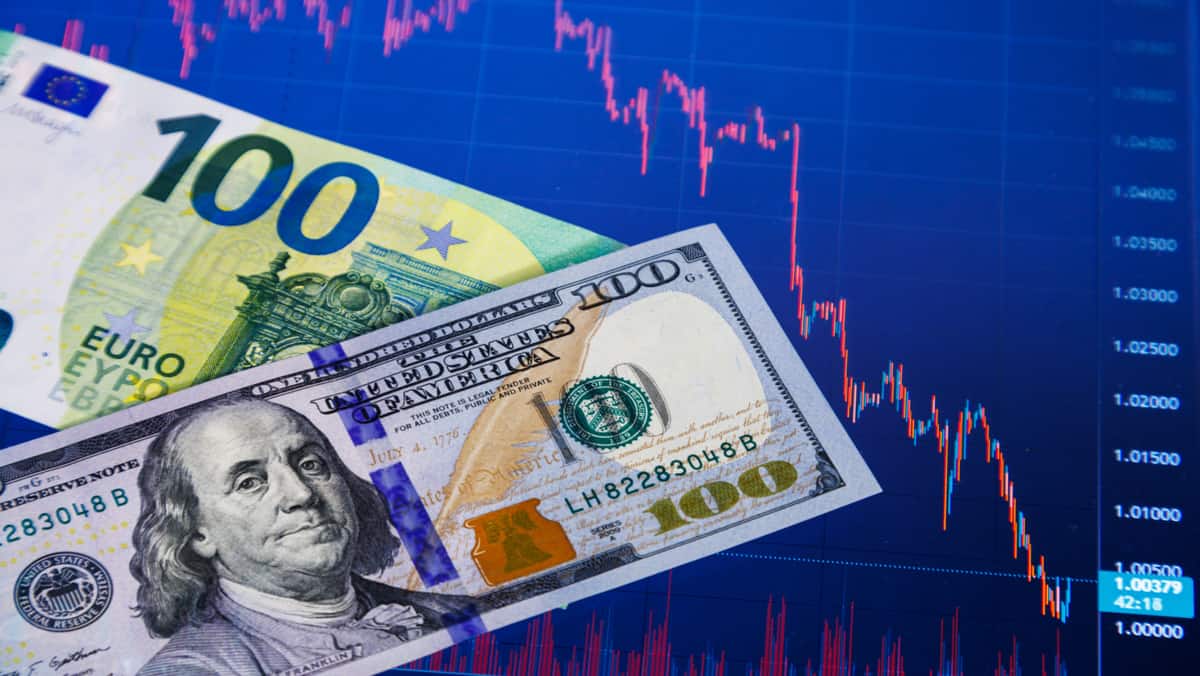
This analysis reviews recent global market performance, highlighting fluctuations in the US dollar, sharp declines in gold and precious metals, and volatile oil prices driven by geopolitical conflicts. It also covers the rebound of non-US currencies and the downturn in US stocks under inflationary concerns. The analysis delves into the 'hawkish pause' shift by major central banks, the Federal Reserve's stance, the impact of the Middle East war on the global economy, developments in the chip industry and renewable energy, and investment challenges in Chinese assets.
Economist E.J. Antoni asserts the US economy's profound weakness, warning it cannot sustain $100 per barrel oil prices. He highlights the looming threat of inflationary pressures stemming from geopolitical tensions, alongside concerning economic data and its potential electoral ramifications.
Yanbu Port, situated on the Red Sea, is increasingly vital for Saudi oil exports, especially with rising risks in the Strait of Hormuz. Recent attacks on energy facilities caused a temporary halt in loading operations, impacting global energy prices. The Kingdom faces challenges in expanding the port's capacity and infrastructure amidst ongoing security concerns, necessitating adjustments in export arrangements and quota supply to clients.