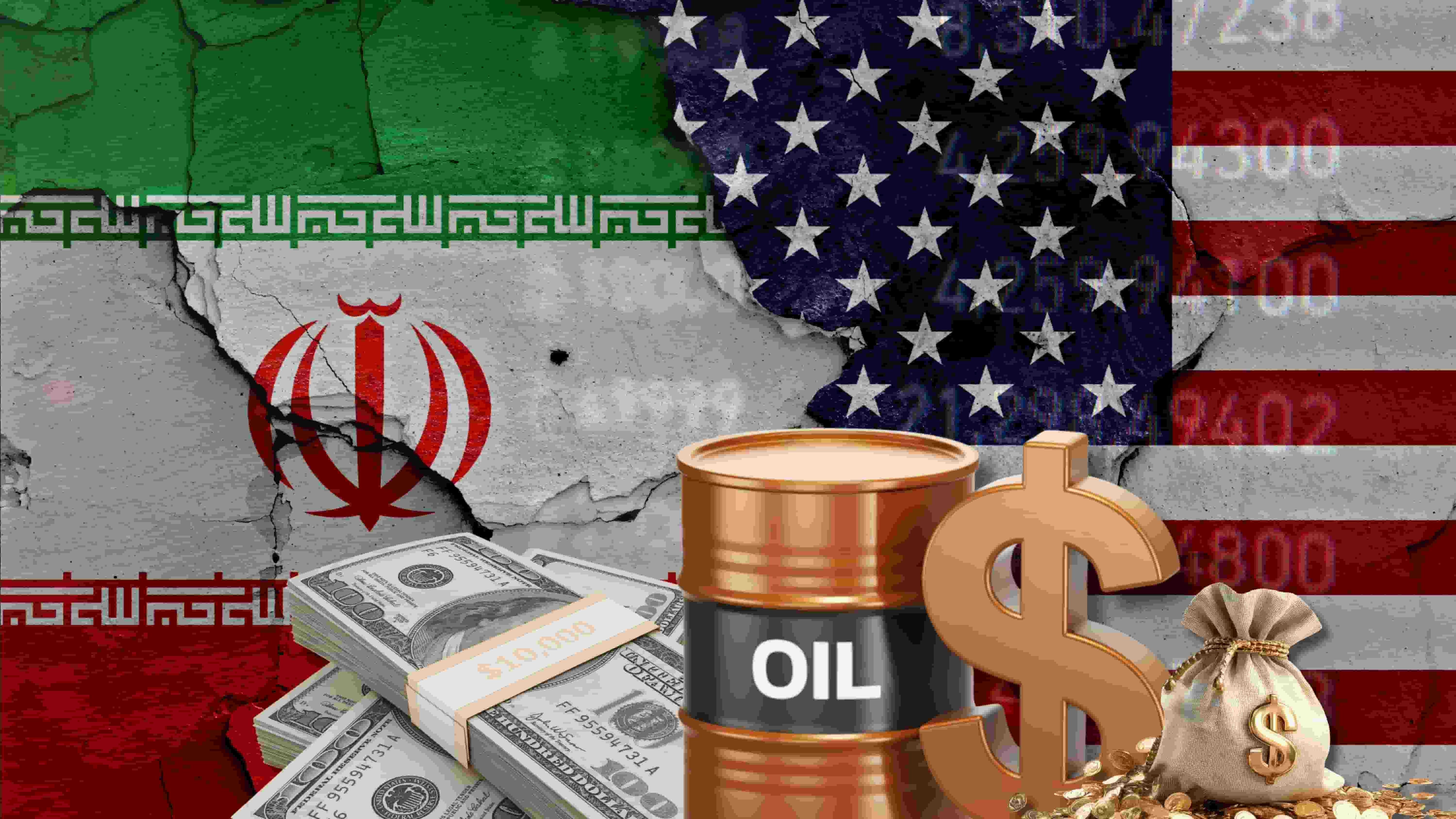
Economist E.J. Antoni asserts the US economy's profound weakness, warning it cannot sustain $100 per barrel oil prices. He highlights the looming threat of inflationary pressures stemming from geopolitical tensions, alongside concerning economic data and its potential electoral ramifications.
Yanbu Port, situated on the Red Sea, is increasingly vital for Saudi oil exports, especially with rising risks in the Strait of Hormuz. Recent attacks on energy facilities caused a temporary halt in loading operations, impacting global energy prices. The Kingdom faces challenges in expanding the port's capacity and infrastructure amidst ongoing security concerns, necessitating adjustments in export arrangements and quota supply to clients.
The European Central Bank is expected to keep interest rates steady at its upcoming meeting, focusing on analyzing the potential inflationary impact of the Iran conflict. While most economists anticipate borrowing costs to remain stable by year-end, trader bets suggest at least one rate hike is still possible. Escalating tensions in the Middle East are fueling concerns about a repeat of the 2022 inflation wave. Although the current situation is more favorable than during the Ukraine crisis, some policymakers are contemplating rate hikes to curb inflationary risks, while others worry about the detrimental effect on economic expansion. The latest quarterly forecasts are unlikely to offer much guidance due to data limitations, but accompanying scenario analyses will provide insights into the potential severity of the situation. ECB President Christine Lagarde has pledged to avoid hasty decisions while vowing not to let Europeans endure another bout of high inflation. Despite a relatively optimistic energy outlook due to diversified supply, businesses and consumers may exhibit less patience, particularly as inflation expectations already exceed the 2% target and are likely to climb further with rising energy costs.
In a stark reversal from prior expectations, the Bank of England appears poised to abandon its planned interest rate cuts, driven by escalating geopolitical turmoil in the Middle East. Attacks by Israel on Iran have heightened concerns about energy price stability, threatening the bank's efforts to bring inflation back to its 2% target. While markets previously priced in a high probability of a rate cut this week, the most likely scenario now is a hold on the base rate at 3.75%, with a strong possibility of a 180-degree pivot in expectations towards monetary tightening. This meeting is expected to see strong consensus among the Monetary Policy Committee (MPC) members to keep rates unchanged, contrasting with the sharp divisions seen in recent meetings. Domestic economic factors like a weakening labor market, sluggish growth, and moderating inflation, which previously supported rate cuts, are now being viewed in a new context. The current economic landscape may echo 2011, when energy costs surged but policymakers opted for a 'wait-and-see' approach. With uncertainty surrounding energy price trajectories, the bank is likely to avoid explicit forward guidance on rate cuts, opting for balanced language that allows for flexibility. The shift in market expectations from year-end rate cuts to potential hikes reflects growing concerns. The BoE is likely to signal a potential rise in inflation in the coming months due to higher fuel costs, casting doubt on previous optimistic forecasts for inflation and economic growth.
In a stark alert, the International Energy Agency (IEA) has highlighted the risk of an unprecedented disruption to global oil markets, potentially stemming from the ongoing conflict related to Iran. This could lead to a halt in oil and gas flows in the Persian Gulf region for several months. The agency emphasized that supply-side solutions alone are insufficient and called for immediate demand-side measures. These include promoting remote work, reducing highway speeds, encouraging public transport, and rationalizing energy consumption in industries and homes, alongside reducing non-essential air travel. The IEA stresses that collective action and coordinated efforts by individuals, industries, and governments are crucial to mitigate the crisis, ensure market stability, and safeguard energy security during the potential months-long recovery period of natural flows.
This article delves into the strategic considerations for the United States in securing the Strait of Hormuz, a vital artery for global oil shipments, amidst escalating tensions with Iran. With rising oil prices, President Trump is seeking methods to restore freedom of navigation in the strait. A prominent option under consideration involves the U.S. Marine Corps. The 31st Marine Expeditionary Unit (MEU), a rapid response force comprising approximately 2,200 personnel, has been deployed to the Middle East. Reports suggest this unit could be employed to seize one or more islands off Iran's southern coast. Such a move could serve as leverage for negotiations or as a base for retaliating against Iranian attacks on commercial shipping. The MEU, operating from the amphibious assault ship USS Tripoli, is expected to reach the region soon. The MEU's structure includes ground combat elements with armored vehicles and artillery, aviation units equipped with aircraft like the MV-22 Osprey and F-35B, a command element, and a logistics battalion for essential support. This force excels in amphibious and aerial assault operations. Iran, through its attacks on commercial vessels, has effectively imposed a blockade on the Strait of Hormuz, causing significant disruption to the global economy and driving up oil prices. The U.S. aims to neutralize Iran's capability to threaten this critical waterway. The article also discusses potential U.S. plans to seize Iranian islands, such as Kharg Island, a major oil export hub, and other islands like Qeshm, Kish, and Hormuz. The objective is to increase pressure on Tehran and restore freedom of navigation. The article highlights the strategic advantage of this approach, as it allows President Trump to uphold his promise of not deploying ground troops into Iranian territory.
This report provides a comprehensive analysis of global market movements over the past week, highlighting the weakening dollar, decline in gold prices, volatile oil markets, and the strengthening of non-US currencies. It delves into the decisions of major central banks, including the Federal Reserve and European banks, and their hawkish stances amidst inflation concerns. The report details the repercussions of the escalating Middle East conflict on energy prices and shipping lanes. Furthermore, it presents expert insights from leading financial institutions on future outlooks and reviews significant economic and geopolitical events that shaped the global landscape, including developments in the technology and clean energy sectors.
This article delves into the intricate dynamics of the US-Iran conflict, highlighting the diplomatic impasse and Iran's strategic posture for a prolonged engagement. It examines Tehran's core objectives, its asymmetric warfare tactics, the hurdles to peace negotiations, and the far-reaching economic consequences for the global stage.
This article delves into the potential economic ramifications of the conflict in Iran, specifically its impact on global oil supply and commodity price surges. Despite these challenges, many economists maintain that the risk of a US recession remains moderate, contingent on the oil price shock being temporary. The piece reviews findings from a recent survey of economists, highlighting their perceptions on inflation trajectory, economic growth, and unemployment levels, while also identifying oil price thresholds and durations that could trigger a US recession. The analysis also discusses adjustments in the Federal Reserve's monetary policy outlook and concerns surrounding geopolitical tensions in the Middle East, acknowledging the strategic importance of the Strait of Hormuz.
In a significant recalibration of monetary policy expectations, Morgan Stanley has aligned with Goldman Sachs and Barclays in postponing their forecast for the Federal Reserve's initial interest rate cut from June to September. This adjustment is largely driven by renewed inflation concerns, amplified by geopolitical tensions in the Middle East and their subsequent impact on energy prices. The revised outlook underscores a more cautious approach from policymakers and suggests a potentially slower path to monetary easing than previously anticipated, necessitating a strategic re-evaluation of investment strategies.
TS Lombard reports suggest that the global oil market's return to normalcy may take months, not weeks, with significant obstacles to reopening the Strait of Hormuz. Analysts are examining various scenarios, including the potential US role in ensuring navigational freedom, the impact of Iran's actions, and potential price shocks reminiscent of the 2022 crisis.
Amidst escalating geopolitical tensions driving energy prices higher, the European Central Bank has kept interest rates unchanged. However, the bank has conveyed clear messages about its heightened vigilance regarding the increasing risks to growth and inflation. Market analysis points to expectations of faster rate hikes compared to previous cycles, as monetary authorities aim to prevent entrenched high inflation. The bank is focusing on the short- and medium-term impacts of these shocks, while maintaining flexibility in its tools to respond to potential developments.
The ongoing Russia-Ukraine peace negotiations have been put on a temporary hold due to geopolitical shifts, particularly concerning events in the Middle East. While diplomatic channels remain open for economic cooperation, the core issues of territorial control and NATO aspirations continue to divide the parties.
As the market grapples with heightened geopolitical tensions in the Middle East, Wall Street is preparing for an exceptional options expiration event. With $5.7 trillion in notional value set to expire this Friday, dubbed 'Triple Witching Day,' traders anticipate significant market volatility. This event coincides with growing concerns over inflation and a dampening of interest rate cut expectations from the Federal Reserve.
The US Department of Defense's recent request for an additional $200 billion to fund operations against Iran is facing considerable resistance in Congress. This proposal comes after significant defense allocations in previous years, prompting many to question the urgency of this new funding. Both Democrats and some Republicans have expressed concerns about the escalating costs of the conflict, particularly as initial reports indicate that just the first six days of operations exceeded $11 billion. The conflict has resulted in thousands of casualties and widespread disruption to global energy and stock markets, while public opinion in the US remains divided. Lawmakers are demanding greater clarity on the administration's plans before considering such a substantial financial commitment.
Goldman Sachs is advising investors to brace for a potential stock market correction, cautioning that traditional safe-haven assets like bonds may not offer the customary cushion. Concerns over rising oil prices, geopolitical tensions, and the disruptive influence of artificial intelligence are contributing to market uncertainty. The firm recommends a more defensive asset allocation strategy in the short term, shifting towards overweighting equities in the medium term, and exploring alternative investments such as alternative assets, Commodity Trading Advisors (CTAs), gold, and inflation-protected government bonds, alongside options strategies to mitigate risks.
Global financial markets are experiencing significant volatility amid escalating geopolitical tensions in the Middle East. This has led to a sell-off in the US Treasury market and a sharp rise in yields. Market expectations are increasingly shifting towards potential Federal Reserve policy adjustments, with a focus on interest rate hikes rather than cuts. Oil prices have surged due to concerns over energy supply disruptions via the Strait of Hormuz, while gold prices have seen fluctuations as investors seek safe havens amidst uncertainty. The situation also coincides with a major options expiration event, potentially amplifying market swings.
This article delves into the ramifications of the assassination of Ali Mohammad Naini, spokesperson for Iran's Islamic Revolutionary Guard Corps (IRGC), during a joint Israeli-US military operation. It emphasizes his crucial role in shaping public opinion and managing the official narrative of the ongoing regional conflict. The piece argues that his elimination represents a blow to the Iranian regime extending beyond direct military impact, pointing to a systematic effort to undermine Iran's state apparatus. It also contextualizes Naini's death within a series of high-level losses impacting Iran's leadership, examining the cumulative effect on decision-making and the potential for miscalculation, while looking ahead to future developments.
OpenAI is set to unify its web browser, ChatGPT application, and Codex programming tool into a singular, overarching desktop application. Leading this transformation is Fidji Simo, Head of Apps at OpenAI, with support from President Greg Brockman. The initiative is designed to simplify user interaction and reduce product fragmentation, signaling a strategic pivot towards high-productivity applications. This development occurs amidst intense competition from giants like Google and Anthropic, and as OpenAI potentially prepares for an IPO.
In a move underscoring a heightened state of alert within Europe, the Danish military undertook significant logistical operations in Greenland this past January. These were not routine exercises, but rather a crucial component of a comprehensive emergency preparedness plan. The initiative was designed to counter potential scenarios involving the use of force by the United States to assert control over the strategically vital Arctic island. The deployment came as tensions escalated due to then-President Donald Trump's vocal assertions of interest in acquiring Greenland, creating a significant diplomatic rift. <h3>Details of an Unconventional Defensive Strategy</h3> As revealed by the Danish Broadcasting Corporation (DR) and subsequently confirmed by European officials, Danish military units transported substantial quantities of explosives to Greenland. The strategic intent behind this deployment was to ensure that, if necessary, key infrastructure could be rapidly incapacitated. This included plans to demolish the primary aircraft runway near the capital, Nuuk, and a former fighter jet base at Kangerlussuaq. Concurrently, medical supplies, specifically blood reserves, were stockpiled, signaling preparedness for potential armed conflict. These stringent precautionary measures were not an isolated Danish endeavor; they reflected a broader, heightened vigilance and a notable solidarity among European nations concerning any potential threats to their NATO allies. <h3>Strategic Backing from France and Germany</h3> Denmark did not face this potential challenge in isolation. Multiple European sources have confirmed that France and Germany, key strategic players in Europe, provided substantial logistical and diplomatic support to Copenhagen. One European official articulated the gravity of the situation, stating, "We were very worried that the situation could spiral completely out of control," referring to the period when anxieties peaked. This close collaboration underscored a unified European stance against any aggressive actions that might imperil the sovereignty of allied nations. <h3>The Shadow of "The Worst Diplomatic Situation"</h3> Prime Minister Mette Frederiksen of Denmark characterized the prevailing circumstances as "the worst diplomatic situation Denmark has experienced since World War II." She attributed the subsequent de-escalation primarily to "close European cooperation." This forceful declaration from the Prime Minister underscored the severity of the tensions that had nearly culminated in an unprecedented confrontation between historic allies. <h3>NATO's Crucial Intervention and Subsequent Understanding</h3> The crisis eventually began to recede, largely due to the decisive intervention of NATO Secretary General Jens Stoltenberg. During his participation in the World Economic Forum in Davos, Stoltenberg successfully persuaded President Trump to accept a framework for a "future agreement" with Denmark regarding Greenland. This diplomatic breakthrough was instrumental in defusing the immediate crisis and preventing further escalation. <h3>Complex Negotiations and Pursuit of a Compromise</h3> Prime Minister Frederiksen has indicated that high-level negotiations with the American side are ongoing, aiming to forge a compromise that respects the sovereign red lines of both Denmark and Greenland. While expressing hope for an eventual agreement, she reiterated that "Trump's ambition to take over Greenland remains unchanged." This statement suggests that the complex geopolitical dynamics surrounding Greenland necessitate continued careful attention and persistent diplomatic engagement. <h3>Masking True Intentions Behind Military Deployments</h3> Earlier this year, under the guise of pre-scheduled military exercises, Denmark, in concert with France, Germany, and several Nordic nations, deployed military personnel to Greenland. Danish officials had stated that these exercises had been duly notified to the US Department of Defense. However, the DR's revelations suggest that the actual objective of these deployments was not merely the exercises themselves. Instead, they formed part of a contingency plan to counter a potential US assault and to send a clear signal that any attempt to seize Greenland would be met with armed resistance. <h3>"The French were a great help."</h3> A second European official highlighted the pivotal role played by France, remarking, "The French immediately understood that we needed a response plan." This French support was more than just logistical; it signified an early recognition of the gravity of the situation and an understanding of the security challenges confronting Denmark. <h3>US Reaction and Economic Threats</h3> These deployments did not go unnoticed by President Trump, who threatened to impose additional tariffs on Denmark and other involved nations. A third European official, reflecting on the American approach, commented, "After solving the Venezuela issue, they thought they could do anything. 'Let's take this place, let's take this country.'" This remark captured the apprehension surrounding potentially overconfident and assertive actions. <h3>Lingering Undertones of Threat</h3> The DR's investigation included interviews with twelve high-ranking government, military, and intelligence officials from Denmark, France, and Germany, who detailed their intensified preparations following Trump's actions concerning Venezuela. A former Danish minister aptly summarized the situation: "The Greenland crisis has not completely passed; it is merely dormant." This concluding statement implies that the geopolitical and security tensions surrounding Greenland have not been fully resolved but may have entered a phase of temporary quiescence, necessitating continued vigilance.