This article examines the close collaboration between Israeli Prime Minister Benjamin Netanyahu and U.S. officials, including Vice President Mike Pence, during U.S.-Iran negotiations. It emphasizes the daily and continuous exchange of information, focusing on both sides' positions on sensitive issues such as the Strait of Hormuz and preventing Iran from developing nuclear weapons.
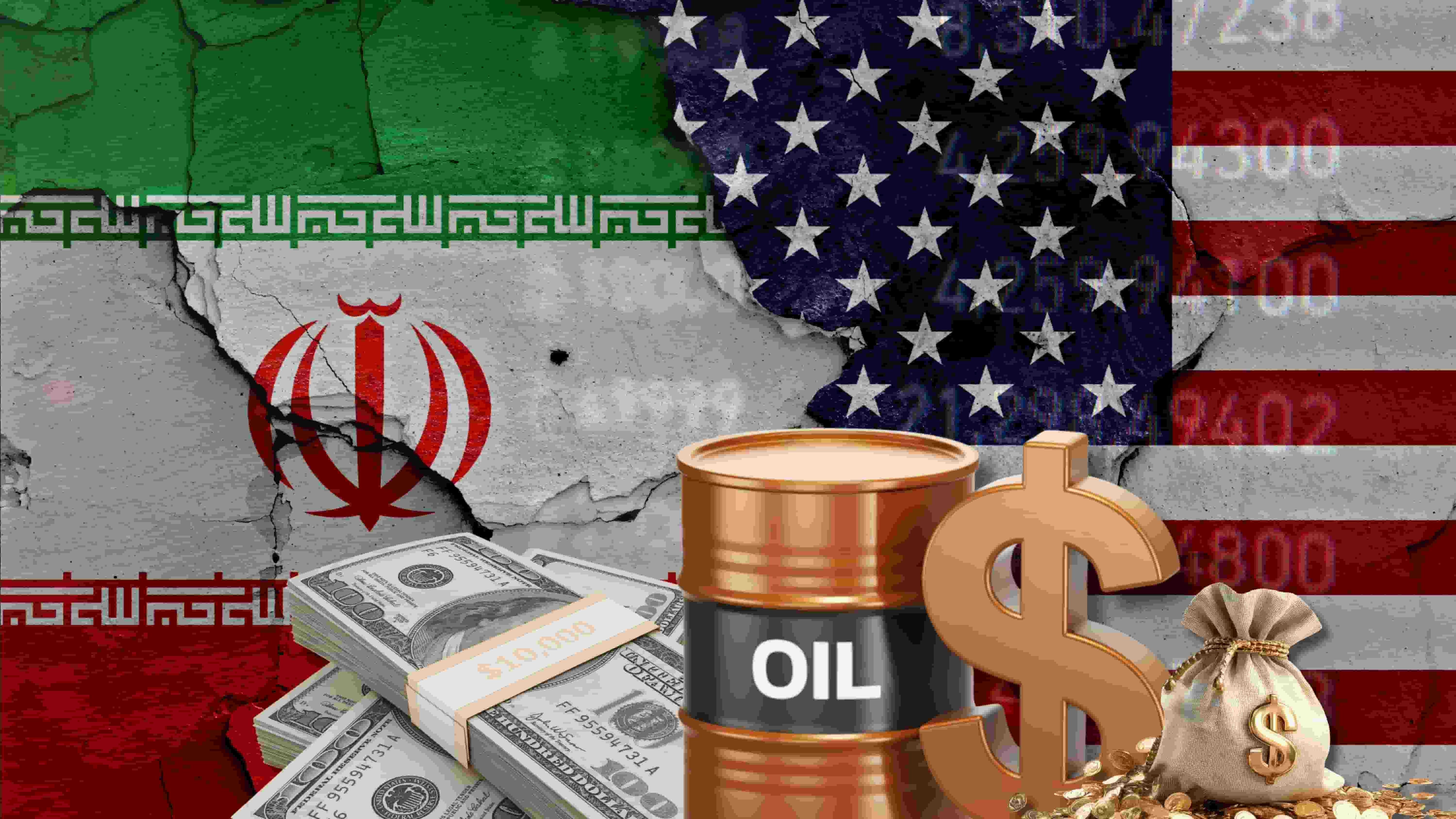
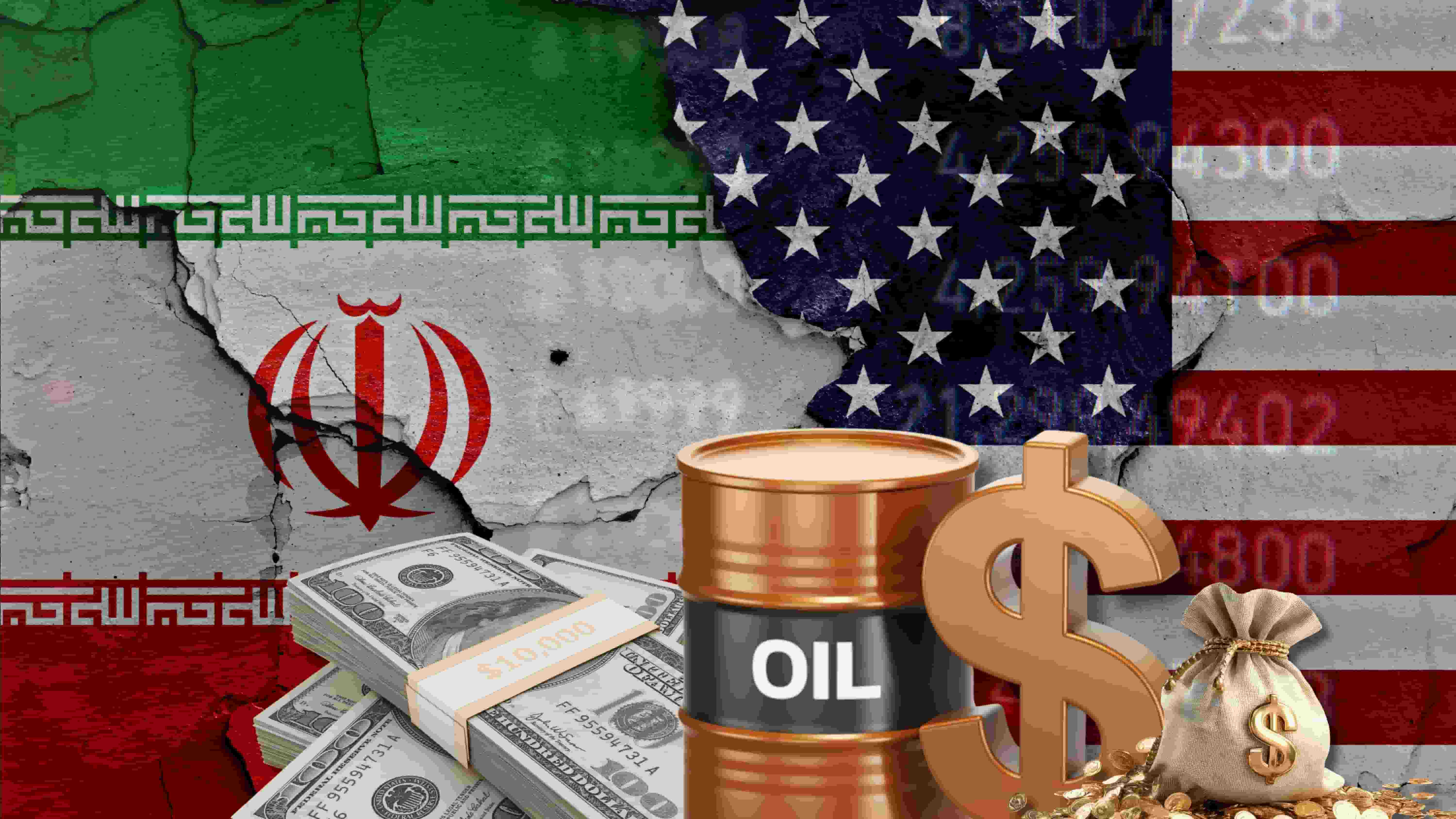
Reports indicate that the United States and Iran have made headway in talks aimed at a framework agreement to end hostilities. Mediators from Pakistan, Egypt, and Turkey are actively involved in bridging remaining divides, with an eye on reaching a final deal before the current ceasefire expires on April 21st. While cautious optimism prevails, significant challenges persist due to substantial disagreements. The US is leveraging economic pressure, particularly through a naval blockade that has crippled Iran's oil exports, to influence the outcome.
This article delves into the historic challenges confronting the independence of the U.S. Federal Reserve, particularly concerning the selection process and roles of regional Federal Reserve Bank presidents. It highlights legal battles before the Supreme Court, political tensions surrounding Jerome Powell's tenure, and reform proposals that could undermine the central bank's autonomy. The piece explores the delicate balance between independent monetary policy and democratic governance, and the implications of these pressures on U.S. economic stability.

Middle East Financial News: In a dramatic shift within the delicate web of Gulf-South Asian geopolitics, Saudi Arabia has stepped in with a fresh $3 billion financial package for Pakistan.

Gold Price Today: The gold rally hit a pause today as the XAU/USD pair drifted below the critical $4,800 per ounce level, pressured by a resurgent U.S. dollar.

How is the ZA economy doing right now: As South Africa enters the second quarter of 2026, the national economy finds itself at a delicate crossroads.

AI Industry Boom: In recent months, Allbirds Inc. has garnered significant attention as its stock experiences a notable rally.
This article delves into Iran's declared intent to oversee maritime traffic in the Strait of Hormuz, even after potential conflicts, while asserting that passage will not be restricted. It critically examines the legal basis of this claim, contrasting it with analogous international waterways, and highlights the significant challenges posed by international sanctions and regional skepticism. The piece underscores the Strait's pivotal role in global energy markets and Iran's strategic leverage through its control.
This analysis provides an in-depth review of key global market movements over the past week, emphasizing the impact of geopolitical tensions, particularly in the Middle East, on various assets such as the US dollar, gold, oil, and equities. The article also covers insights from leading financial institutions on future market trends and highlights significant developments in the technology sector, including OpenAI's funding, SpaceX's IPO plans, Anthropic's news, and the performance of electric vehicle companies like Tesla. It further delves into US monetary policy decisions, tariff adjustments, and the role of macroeconomic factors like inflation and interest rate expectations.
Tesla's stock experienced a significant drop of over 5% on Thursday, marking its largest single-day decline this year. This downturn followed the company's release of its first-quarter delivery and production report, which showed a decrease compared to the previous quarter, despite modest year-over-year growth. The decline occurs amidst escalating global competition, the impact of canceled tax credits, and a shift in the company's focus towards future ventures like robotics and autonomous driving.
The US March Non-Farm Payrolls report revealed a strong and unexpected rebound in the labor market, with employment figures significantly exceeding expectations. This surge was driven by the return of healthcare workers after strikes concluded and warmer weather. However, this robust growth raises questions about the Federal Reserve's stance on interest rate cuts, especially amidst growing concerns about inflation and potential geopolitical escalations.
The EU's Energy Commissioner has stated that the bloc is assessing all potential responses, including fuel rationing and further emergency oil reserve releases, to address the 'long-term' energy shock stemming from the Middle East conflict. The remarks underscore the prolonged nature of the crisis, anticipating sustained high energy prices and the necessity for nations to secure their energy needs. Contingency plans are being developed for the 'structural, long-term effects' of the conflict, with a focus on preparing for the worst-case scenario despite the absence of an immediate supply crisis. Discussions include aviation fuel standards and the potential deployment of legislative tools, alongside the possibility of further strategic energy reserve releases.
Iran asserts it has shot down two American fighter jets, including a sophisticated F-35, amidst escalating tensions. These events follow US threats to intensify strikes on Iranian infrastructure, fueling concerns of wider conflict.
Three vessels sailing under the Omani flag, comprising two Very Large Crude Carriers (VLCCs) and one Liquefied Natural Gas (LNG) carrier, have successfully navigated the Strait of Hormuz, opting for a southern route that bypasses Iranian territorial waters. This action is particularly noteworthy given the ongoing disruptions to maritime traffic and suggests a search for alternative pathways to ensure energy flow. The move coincides with diplomatic discussions involving countries like the Philippines to secure safe passage.
The Organization of the Petroleum Exporting Countries and its allies (OPEC+) has issued a grave warning regarding the profound and lasting impact of damage to Middle East energy assets, even if hostilities cease. Concurrently, the group has agreed to a modest production increase for the upcoming month. Experts emphasize that the current disruptions, particularly those affecting the Strait of Hormuz, far outweigh any potential production enhancement measures, placing immense pressure on oil prices, global market stability, and the broader economy.
This article delves into the significant challenges confronting the global oil market after disruptions in the Hormuz Strait, focusing on the complex and lengthy process of reconstructing damaged energy infrastructure and its multifaceted effects on the global economy and supply.
This article delves into the remarkable resilience of the U.S. labor market, which has weathered significant economic and geopolitical storms, from aggressive interest rate hikes to banking crises. It examines the factors underpinning this strength, such as reduced immigration and increased retirements, which have lowered the threshold for maintaining full employment. However, the piece highlights that recent geopolitical events, particularly concerning energy prices and supply chains, are posing new challenges. The author discusses how these developments are altering the Federal Reserve's outlook on interest rates and explores potential scenarios for the future of the labor market and the broader U.S. economy.
This article examines the precarious situation around the Hormuz Strait, a vital artery for over 20% of global oil supply. It highlights the contradictory statements made by former US President Donald Trump regarding the ability to secure passage and the potential economic ramifications for global energy markets. The analysis contrasts the interconnectedness of global oil markets with the less interconnected nature of natural gas, and explores the ripple effects of disruptions on industries such as fertilizers and semiconductor manufacturing. It concludes that the United States, despite being a net energy exporter, remains susceptible to global price fluctuations, and that rising energy costs pose a significant challenge to consumers, potentially influencing the political landscape.
This article details the military strategy adopted by the United States and Israel against Iran, focusing on striking vital economic sectors such as oil, petrochemical, and steel industries. These deliberate attacks aim to cripple Iran's economic capacity, forcing an end to the conflict, with significant implications for the global economy and the potential for escalation.
This article delves into the latest diplomatic maneuvers aimed at de-escalating the conflict between the United States and Iran. It uncovers a multi-phased peace plan framework focusing on an immediate cessation of hostilities, followed by a comprehensive agreement. The report details the ceasefire proposal, including potential concessions from both sides, Pakistan's mediation efforts, and Iran's firm stance on reopening the Strait of Hormuz. The article highlights the increasing pressure on both nations to reach an accord and analyzes the potential economic and geopolitical ramifications of the ongoing conflict.