Russia has introduced stringent measures restricting the export of cash rubles and gold, effective April and May 2026, respectively. These regulations are designed to combat the shadow economy, curb capital flight, and enhance financial transparency. The move aims to limit illicit transactions and stabilize the national financial system.
This article delves into the intricate diplomatic efforts to manage the escalating tensions between the United States and Iran. It examines the divergent demands of both nations, the role of regional mediators, and the feasibility of a partial agreement focused on ceasing hostilities, while deferring more contentious issues. The analysis draws on historical precedents to assess the potential for a fragile peace.
Facing persistent inflation and a weakening yen, Japan is contemplating a bold plan to directly intervene in crude oil futures markets. This move aims to counter soaring energy prices, believed to be a significant driver of yen weakness, moving beyond traditional policy tools. However, this unconventional approach raises questions about its effectiveness, with analysts and some officials doubting its ability to create lasting impact, attributing the yen's woes primarily to dollar strength. The article delves into the specifics of the proposed plan, including the utilization of Japan's vast foreign exchange reserves, potential challenges, and the future outlook for this strategic maneuver.
This article examines a recurring pattern of sudden market fluctuations coinciding with President Trump's unexpected policy declarations. Analysis of peculiar trades that preceded major announcements, such as the de-escalation of planned military strikes against Iran or shifts in trade policy, suggests the potential exploitation of non-public information. These phenomena raise significant questions about market integrity and the possibility of illicit gains, despite official denials of insider trading allegations.
Ukrainian President Volodymyr Zelensky reveals details of a US proposal to offer security guarantees to Kyiv. However, these guarantees are conditional on Ukraine ceding control of the entire eastern Donbas region to Russia. Zelensky highlights pressure from former US President Trump to quickly end the conflict, influenced by the situation in the Middle East. He clarifies that these guarantees are not yet finalized, with outstanding issues regarding arms funding and response mechanisms for future Russian aggression. He stresses that relinquishing eastern territories threatens Ukraine's and Europe's security. Zelensky also notes Russia's gamble on a potential US withdrawal, emphasizing the need for a trilateral summit to resolve lingering issues. He expresses gratitude for Patriot missile supplies while noting their insufficiency.
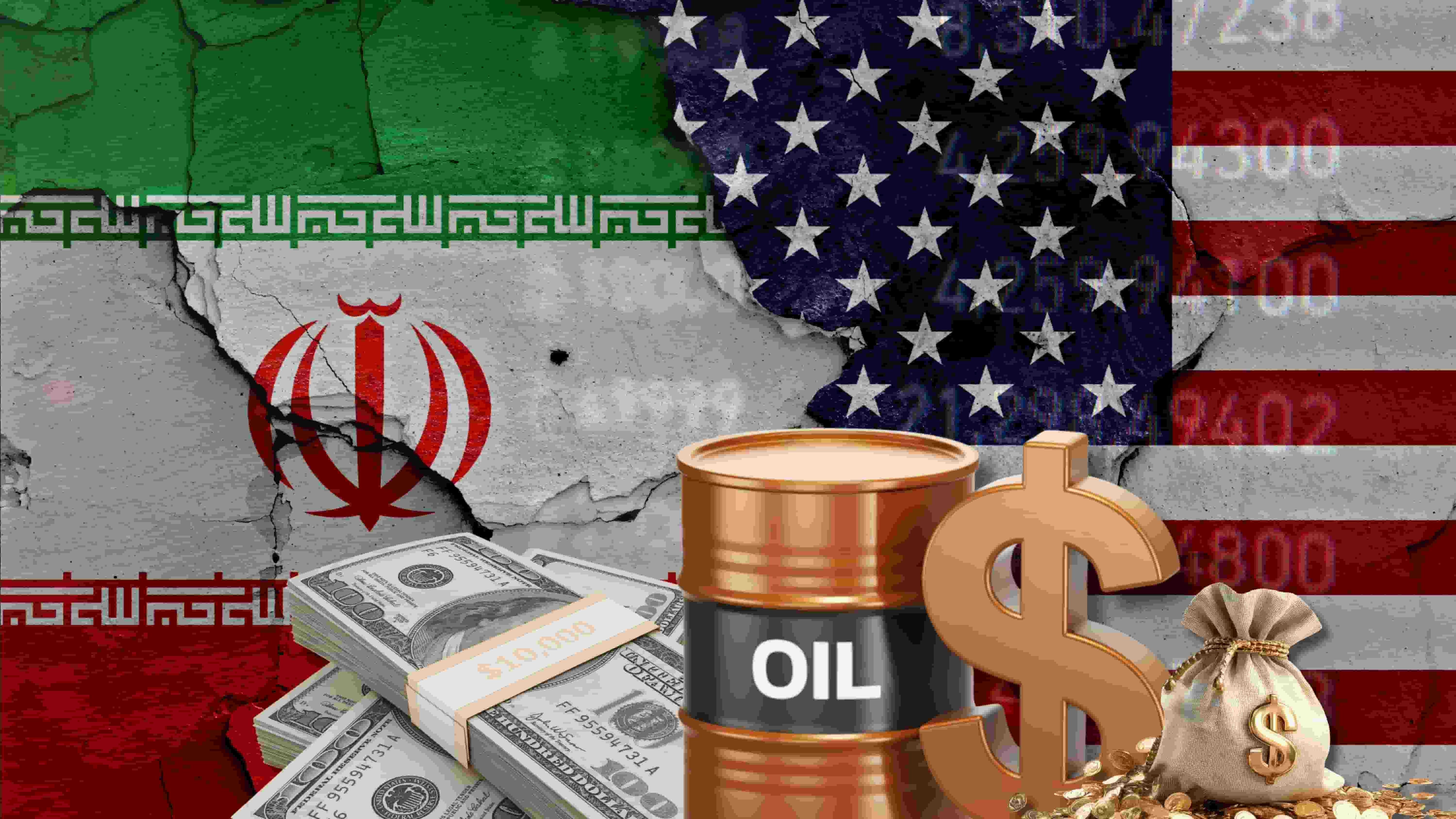
Reports reveal the U.S. Department of Defense (Pentagon) is developing contingency military plans against Iran, termed 'decisive strikes,' potentially involving large-scale ground operations and extensive bombing. These plans emerge amid a significant deadlock in diplomatic negotiations and a precarious situation in the Strait of Hormuz, heightening the possibility of acute military conflict. The analysis examines potential scenarios, including targeting oil facilities and strategic islands, and the possibility of military action to secure nuclear materials. The U.S. administration emphasizes its readiness for an 'unprecedented' response if an agreement fails, while Iran rejects these threats, viewing them as a prelude to war. U.S. military deployments in the region are increasing, even as countries like Pakistan, Egypt, and Turkey attempt mediation, though mutual distrust hinders progress.
The report reveals President Trump's drive to conclude the conflict with Iran within weeks, emphasizing a strict timeline for a ceasefire. It explores the challenges Trump faces in achieving this goal, criticisms of his plans, and the impact of the war on his domestic political priorities, especially with the midterm elections approaching. The article also examines diplomatic efforts, escalating military pressures, and the potential for an agreement between the parties, while highlighting the positions of US allies and Israel.
Unprecedented trading surges were observed in global oil and stock markets, with traders placing billions of dollars in bets just minutes before President Donald Trump announced a delay in a potential military strike against Iran. These bets, primarily targeting a drop in oil prices, yielded substantial profits for those involved, prompting analysts to question the possibility of leaked information or insider trading. Iranian officials have denied any negotiations, further complicating the situation. While US and European regulatory bodies are closely monitoring the developments, these events underscore the intricate link between US foreign policy and global financial market fluctuations.
This article examines the sharp decline in gold prices since the onset of the recent conflict, questioning its traditional safe-haven status. It elucidates how investor needs for liquidity to offset losses in other markets have led to gold sales, negatively impacting its performance. The piece also explores the potential role of central banks in selling gold reserves, the influence of interest rate hike expectations, and offers insights into future market volatility and recovery prospects.
This article delves into the recent escalation of aerial exchanges between Iran and Israel, highlighting the inconsistencies in US diplomatic efforts and Iran's outright rejection of negotiations. It examines the global economic repercussions of this crisis, particularly on energy markets, and international efforts to contain it.
Recent court records reveal a significant setback for the federal investigation into the Federal Reserve's building renovation project. A senior prosecutor admitted in a closed-door hearing that the Justice Department has not found evidence of criminal wrongdoing or fraud, casting doubt on President Trump's claims of "criminal acts." The investigation, prompted by Trump's criticisms of the Fed and concerns over cost overruns and potential misstatements by Fed Chair Jerome Powell, has seen grand jury subpoenas related to the probe dismissed by a judge. The judge ruled that the subpoenas were potentially an illegal means to pressure Powell. The article details the prosecutor's statements, the judge's reasoning, the Fed's defense regarding cost overruns, and the political implications of the ongoing dispute.
Recent data indicates that retail investors, once a reliable buying force in the US stock market, are beginning to alter their strategies, signaling a potential shift in market dynamics. This article examines the underlying reasons for this change, including rising geopolitical tensions and increasing risks relative to potential rewards, and explores the implications for both individual and institutional investors.
Turkey is facing escalating economic pressures with a sharp decline in its foreign exchange reserves since the onset of the Iran crisis. This situation places significant strain on the Turkish Central Bank, raising questions about its current strategies for maintaining Lira stability and the potential necessity of liquidating its substantial gold holdings. The crisis is exacerbated by soaring energy costs and a widening current account deficit, undermining efforts to control inflation. This analysis delves into Turkey's resilience, the risks associated with a prolonged conflict, and the potential ramifications for currency stability and the broader Turkish economy, including the political implications for President Erdogan.
Amidst evolving Middle Eastern dynamics, recent movements on prediction markets like Polymarket indicate significant bets on an imminent ceasefire between the United States and Iran. This coincided with optimistic remarks from former US President Donald Trump, raising questions about potential insider trading. Notably, futures markets for S&P 500 and oil experienced abnormal trading volume surges just before Trump's announcement. Prediction platforms have responded by tightening their anti-insider trading rules, underscoring the sensitivity and importance of market integrity.
Gold prices are experiencing a significant downturn, approaching a record streak of declines, driven by escalating Middle East tensions and their implications for global inflation and economic growth. This has led investors to divest from gold, seeking to cover losses in other assets, while technical indicators suggest a bearish short-term outlook. However, long-term fundamentals remain supportive.
Industry sources reveal that traders are offering Iranian crude oil to Indian refiners at premiums over ICE Brent crude, following a temporary US sanction waiver aimed at alleviating the energy crisis triggered by regional conflicts. India, the world's third-largest oil importer and consumer, ceased Iranian crude shipments in May 2019 under US pressure. With ongoing regional hostilities disrupting energy transport through the Strait of Hormuz, India faces significant supply shortfalls in both crude oil and liquefied petroleum gas (LPG), crucial for household cooking. Payment modalities are a key concern, with traders and NIOC demanding US dollar payments, though some are open to Indian Rupee settlements, as Iran is excluded from the SWIFT system. This temporary window, lasting for a month, offers Indian refiners an opportunity to procure oil from a geographically proximate source.
Reports indicate the Trump administration is evaluating internal Iranian figures, including Parliament Speaker Mohammad Bagher Ghalibaf, as potential negotiation partners. This suggests a strategic shift from military pressure to seeking a diplomatic resolution. The article explores this new approach, its economic drivers, potential challenges, and comparisons to past scenarios.
Jeffrey Gundlach, dubbed the 'New Bond King', observes a market standstill with limited assets yielding significant returns. He warns that mounting pressures in the private credit sector could worsen if investors collectively seek to cash out, drawing parallels to the pre-2008 financial crisis environment.

NVIDIA GTC 2026 Keynote Highlights: The NVIDIA GPU Technology Conference (GTC) has become a cornerstone event for industry leaders, developers, and AI enthusiasts.

Top performing cryptos today: Cryptocurrencies have become an integral part of the financial landscape, with new projects emerging regularly while others solidify their standings in the market.